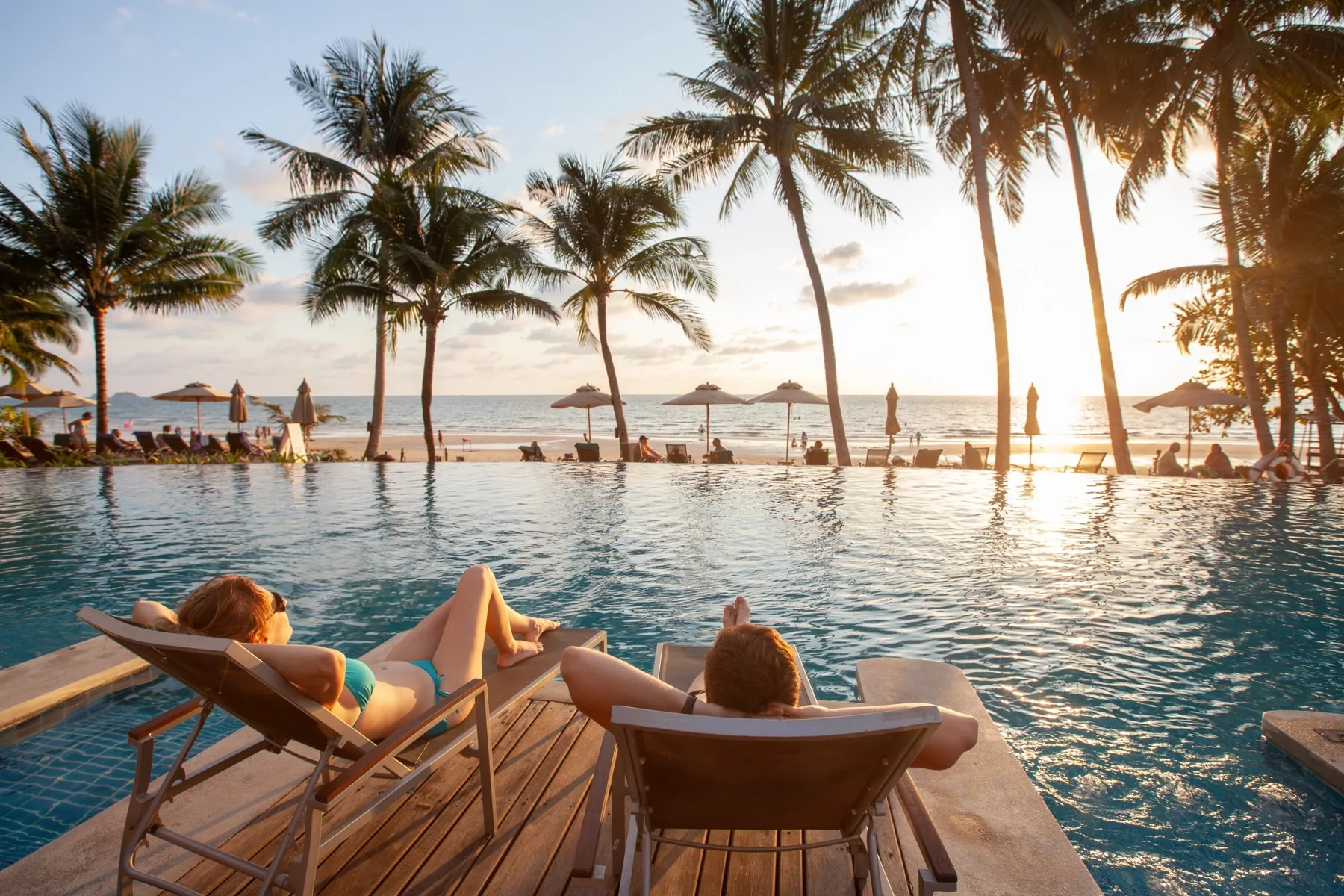
Seychelles, Anse la Mouche
4°41’23.0”S 55°28’41.0”E
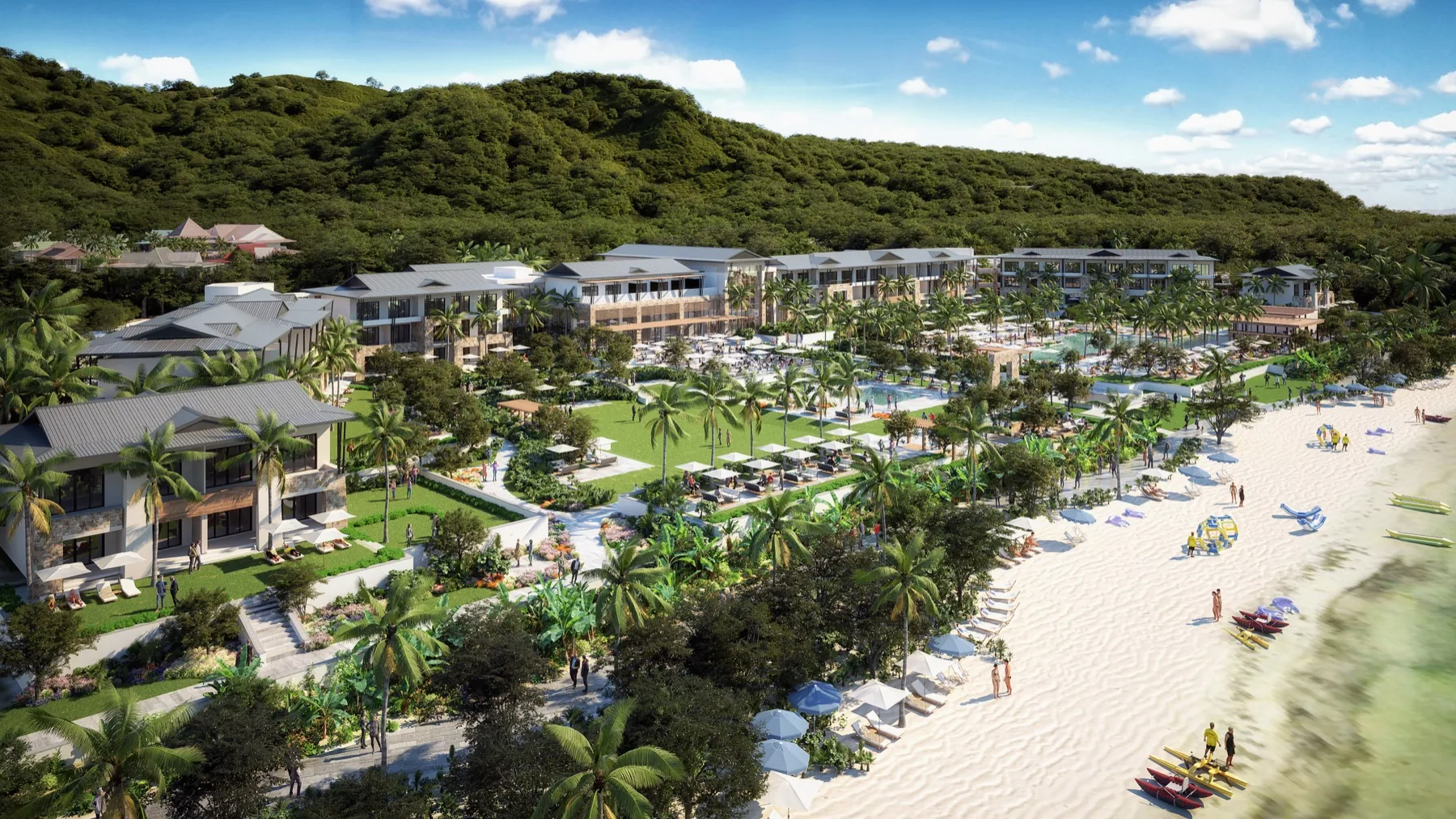
Hilton asked us to work out what a Canopy becomes when you take it out of the city and set it in a bay.
Canopy is Hilton's neighbourhood brand. Every one of them is built to belong to the streets around it. Anse la Mouche is not a street. It is a quiet bay on the south west coast of Mahé, well away from the capital, where a hotel and private residences were rising together. Our brief was to settle what the brand should stand for in a place like this, and to set the proposition the rest of the resort could be built around.
Where a brand stands
Positioning is the work that comes first. It settles what a place stands for, who it is for, and the story every later decision answers to. Get it wrong and a hotel spends years arguing with itself.
We read the bay, the island and the market around it. We looked at who already holds which ground in the Seychelles, and where the open space was. Then we put Canopy in that space and wrote down what it meant, in language the client could hand to architects, operators and creative teams so that everyone built the same hotel.
A neighbourhood of its own
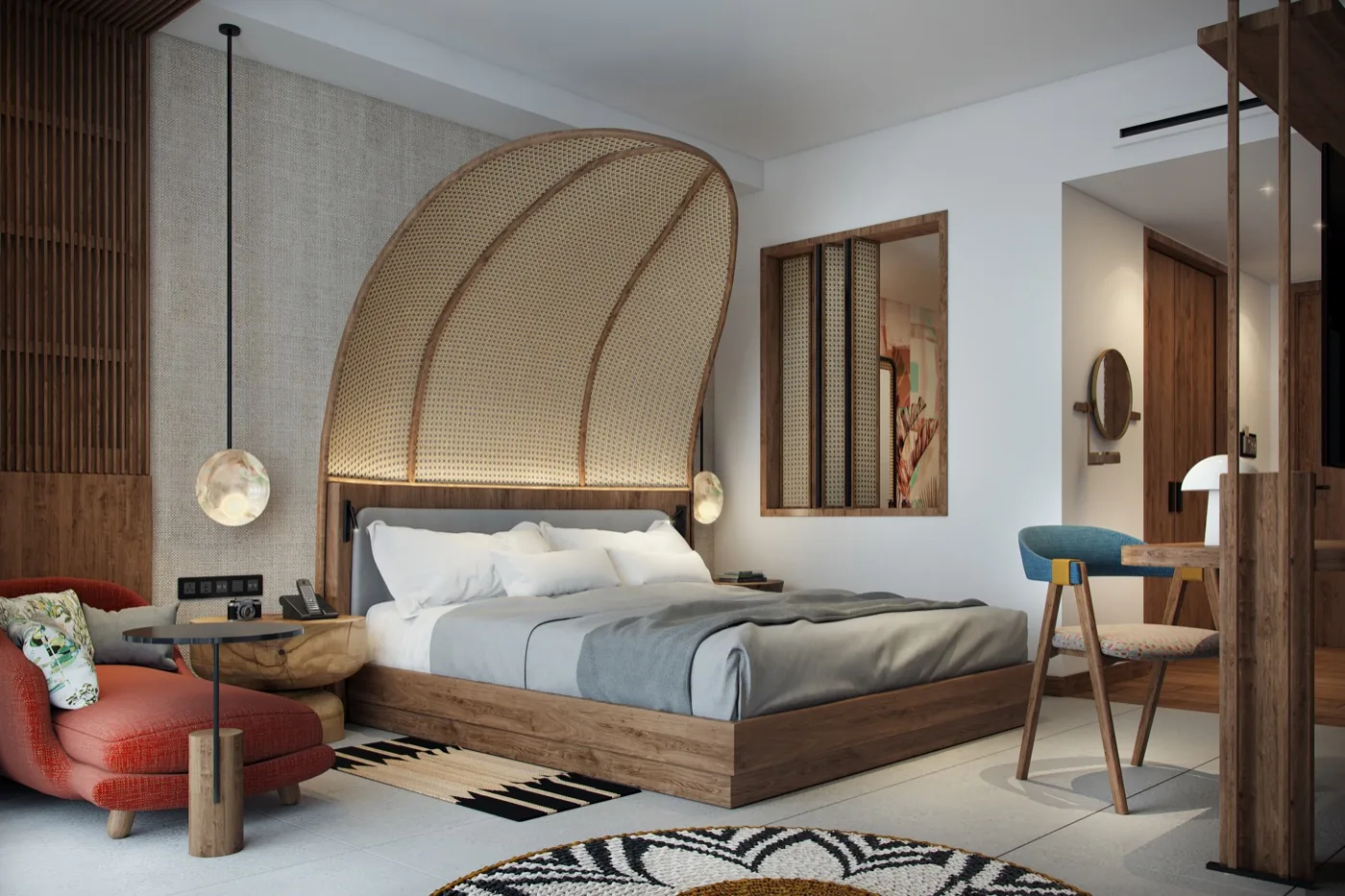
If the brand lives on its neighbourhood, then the neighbourhood had to be found rather than assumed. We took it to mean the bay, the village around it, the people who work the water and the growers inland, and we made that connection the point rather than the backdrop. The resort shares the site with private residences, so it had to feel like somewhere people live, not only somewhere people stay.
Five places to eat and drink
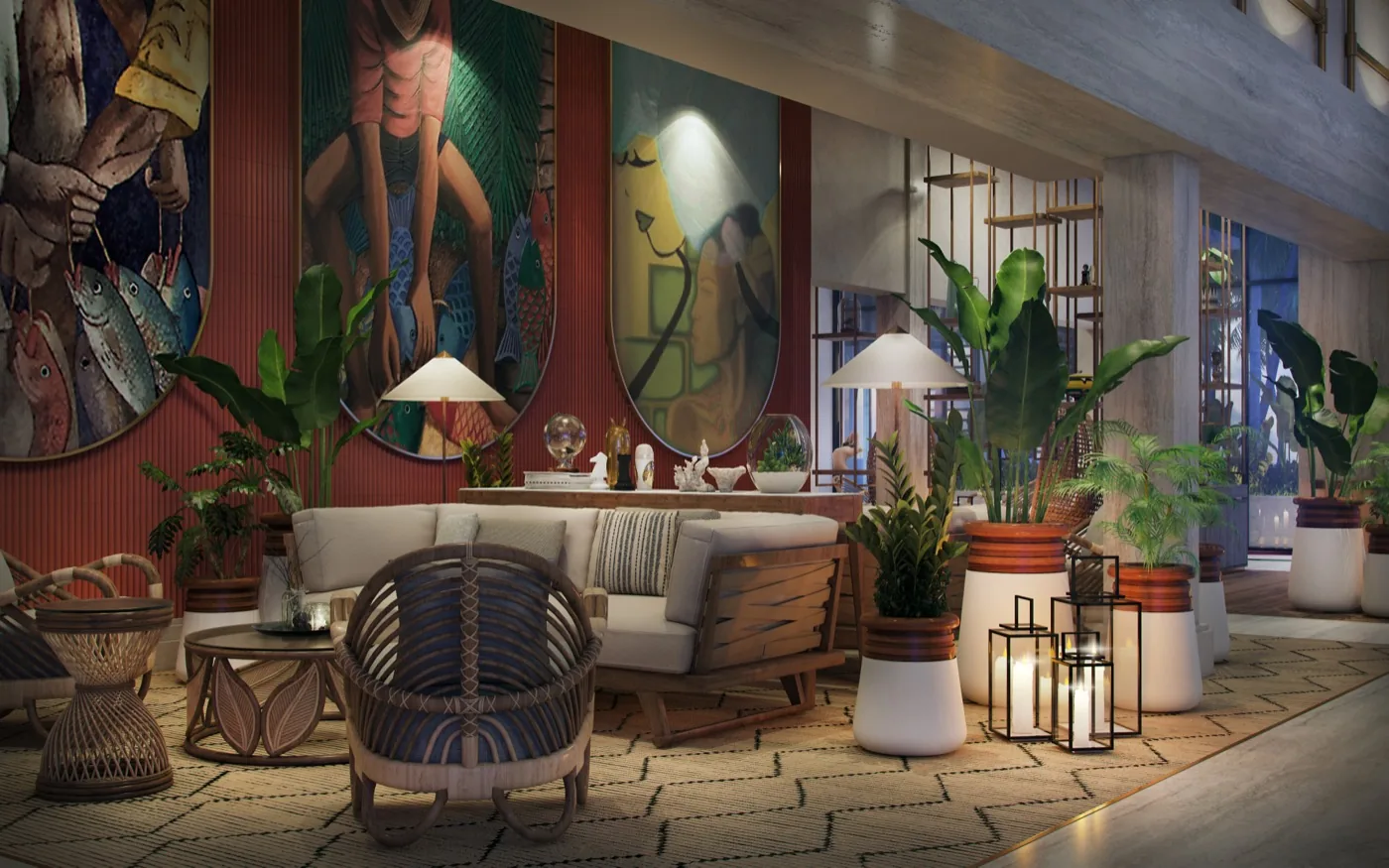
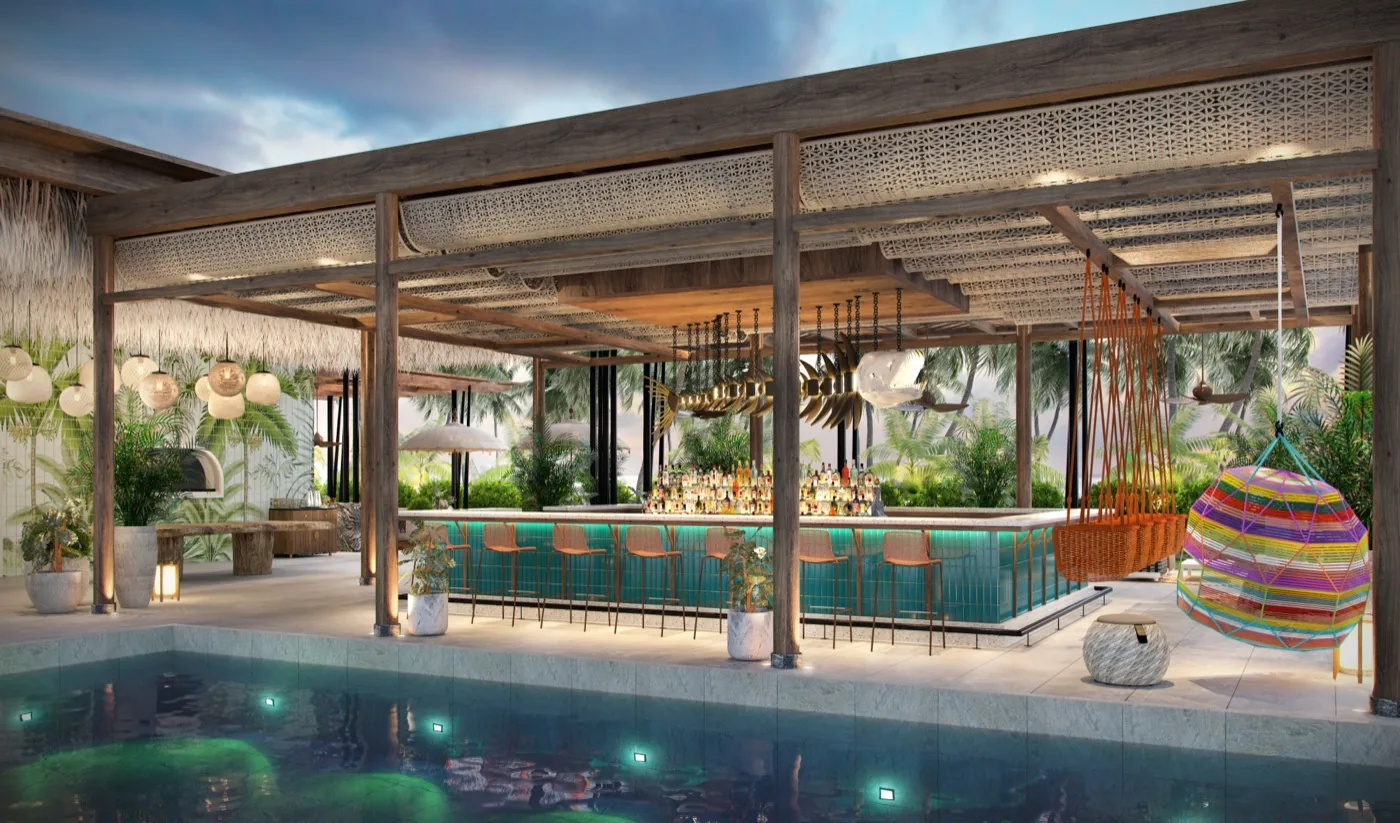
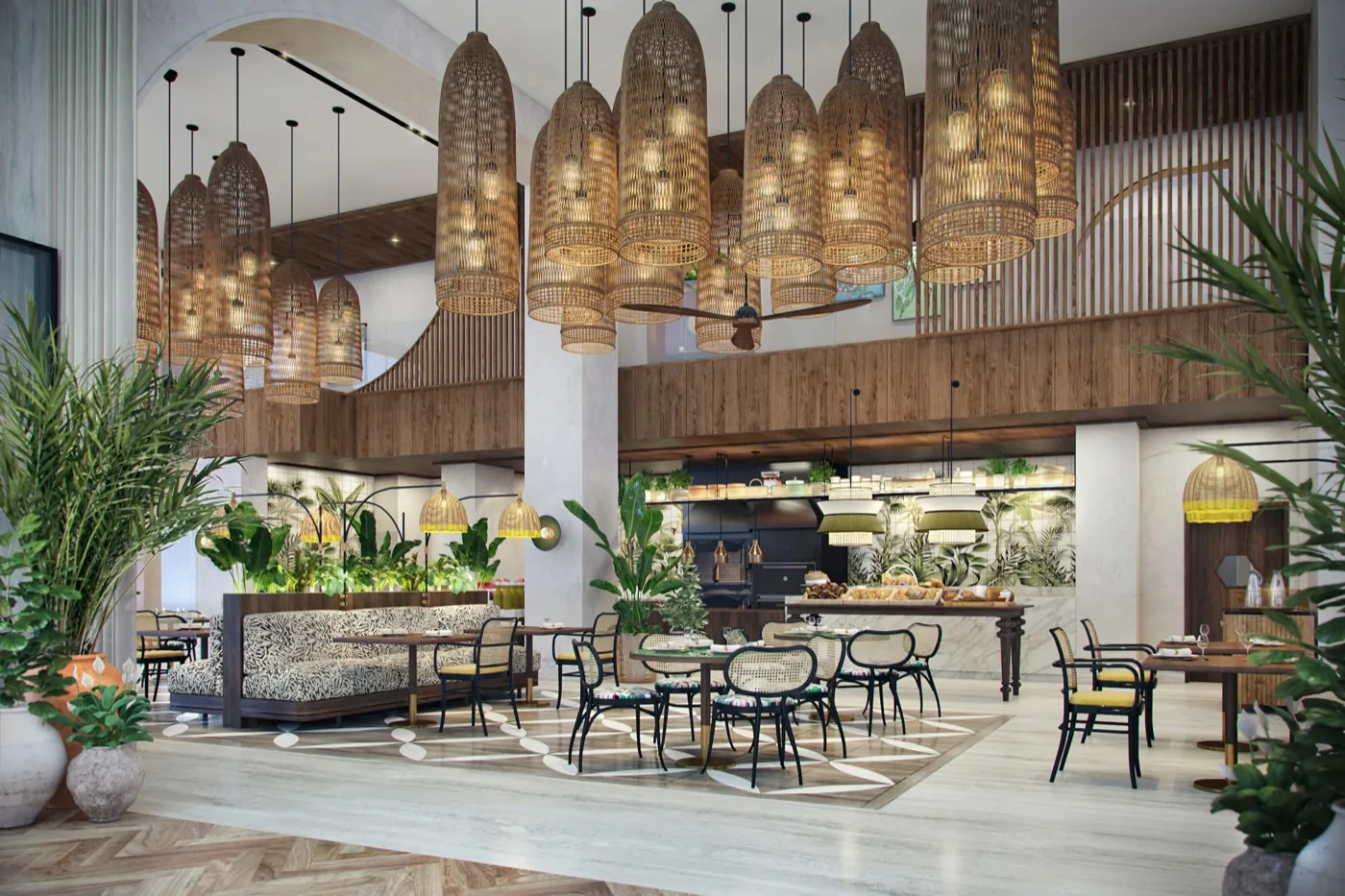
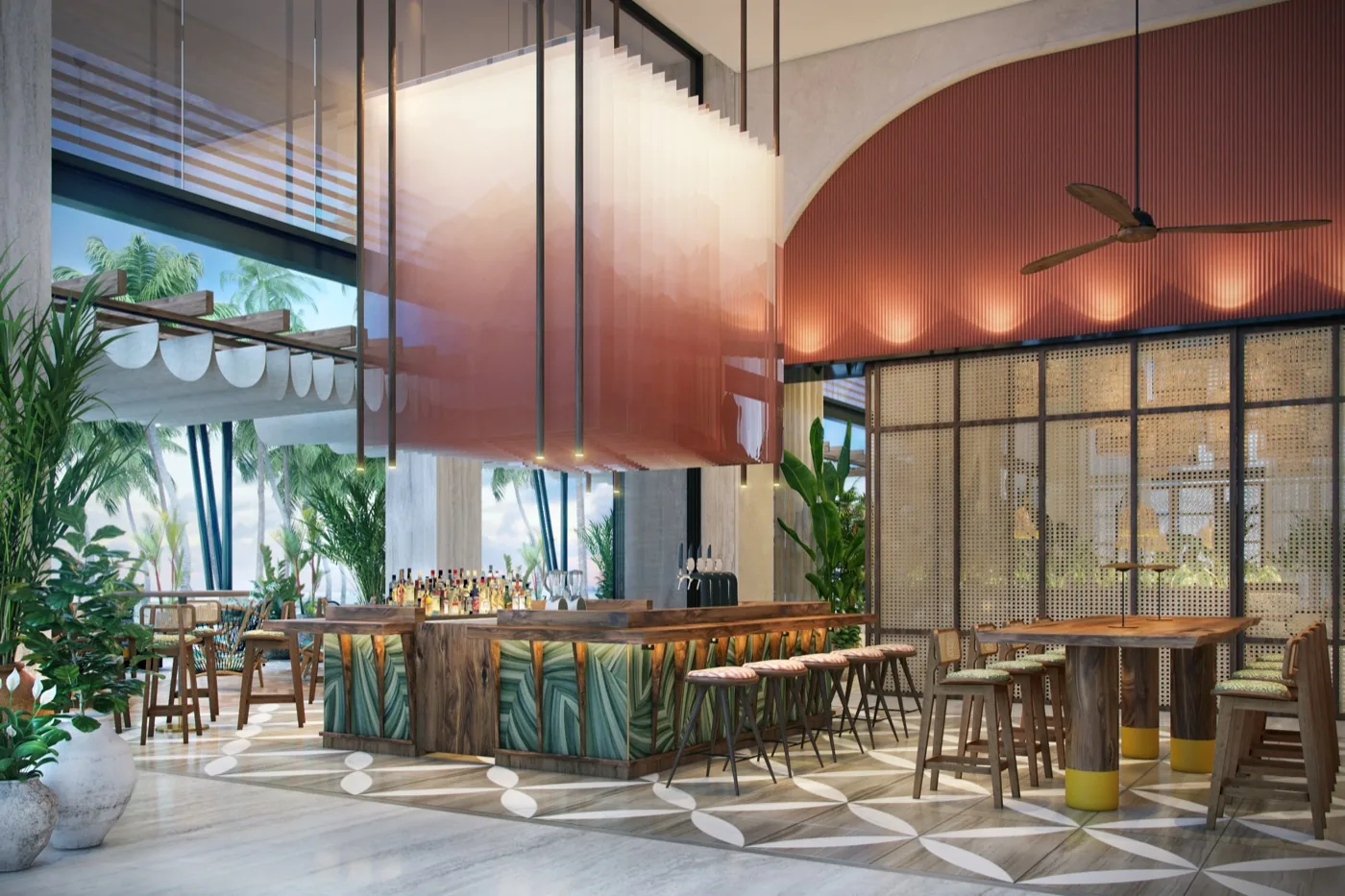
We shaped and named the dining, each venue given a character and a reason to exist in the bay. The names lean on Creole, on the birds of the shoreline and on the music people actually dance to.
French meets Creole, from an unhurried breakfast to an evening showcase. Named for a wading bird of the shoreline.
Named for the sega, the Seychellois dance. Drinks passed straight out of the pool, and lunch that arrives in a box.
A calmer room. A kitchen, a bar and somewhere to sit, leaning east for small plates and locally made cocktails.
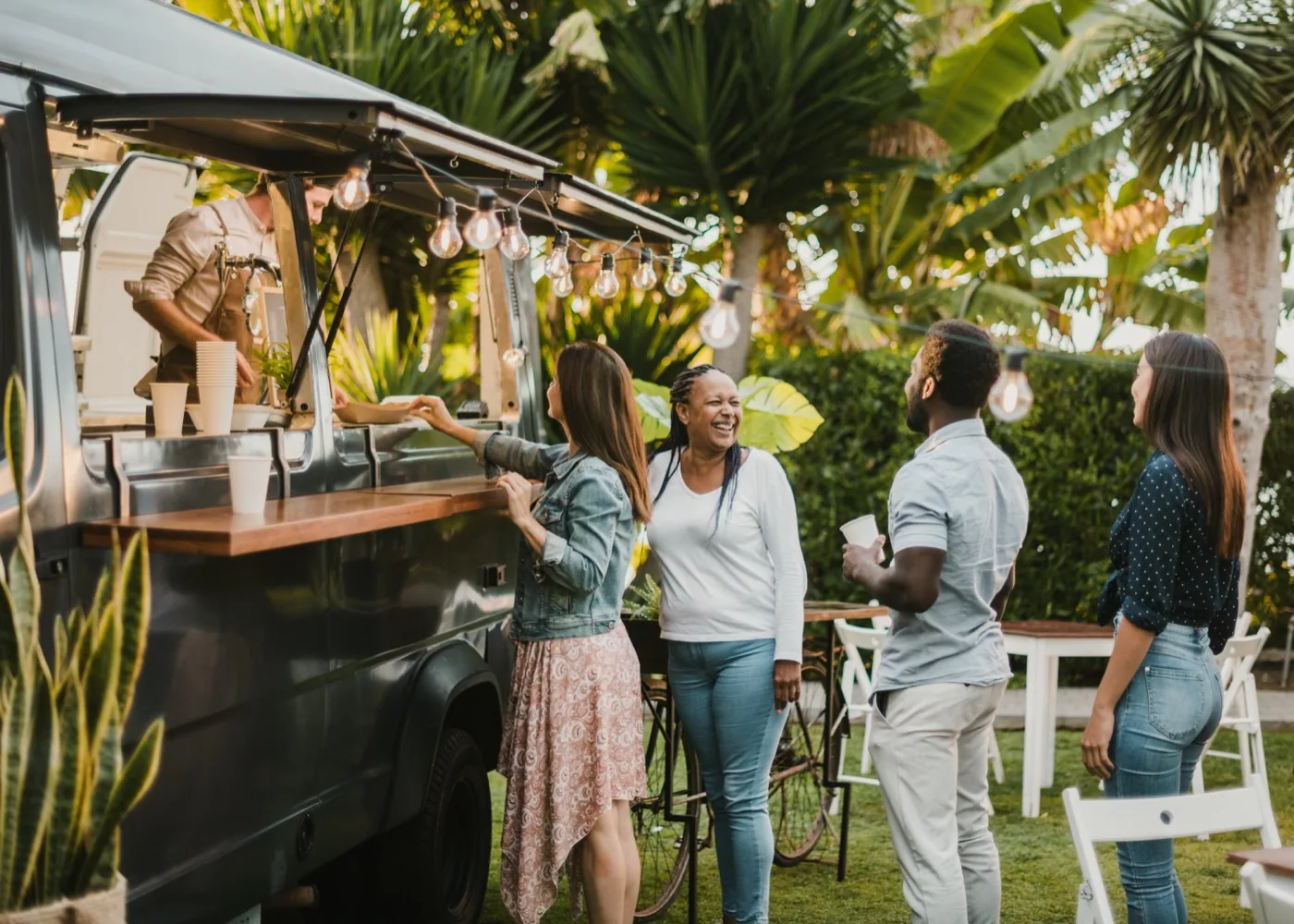
Three of them parked up. Coffee and pastries in the morning, craft drinks later, and a fusion menu that refuses to sit still.
Comfort food and world cooking at the door, scanned and ordered from the room. Every package that arrives is home compostable.
At the table
A day, shaped
Beyond the rooms and the restaurants we set the concepts for the spa and for the youngest guests, and framed the programme that fills the space between.
Afloya
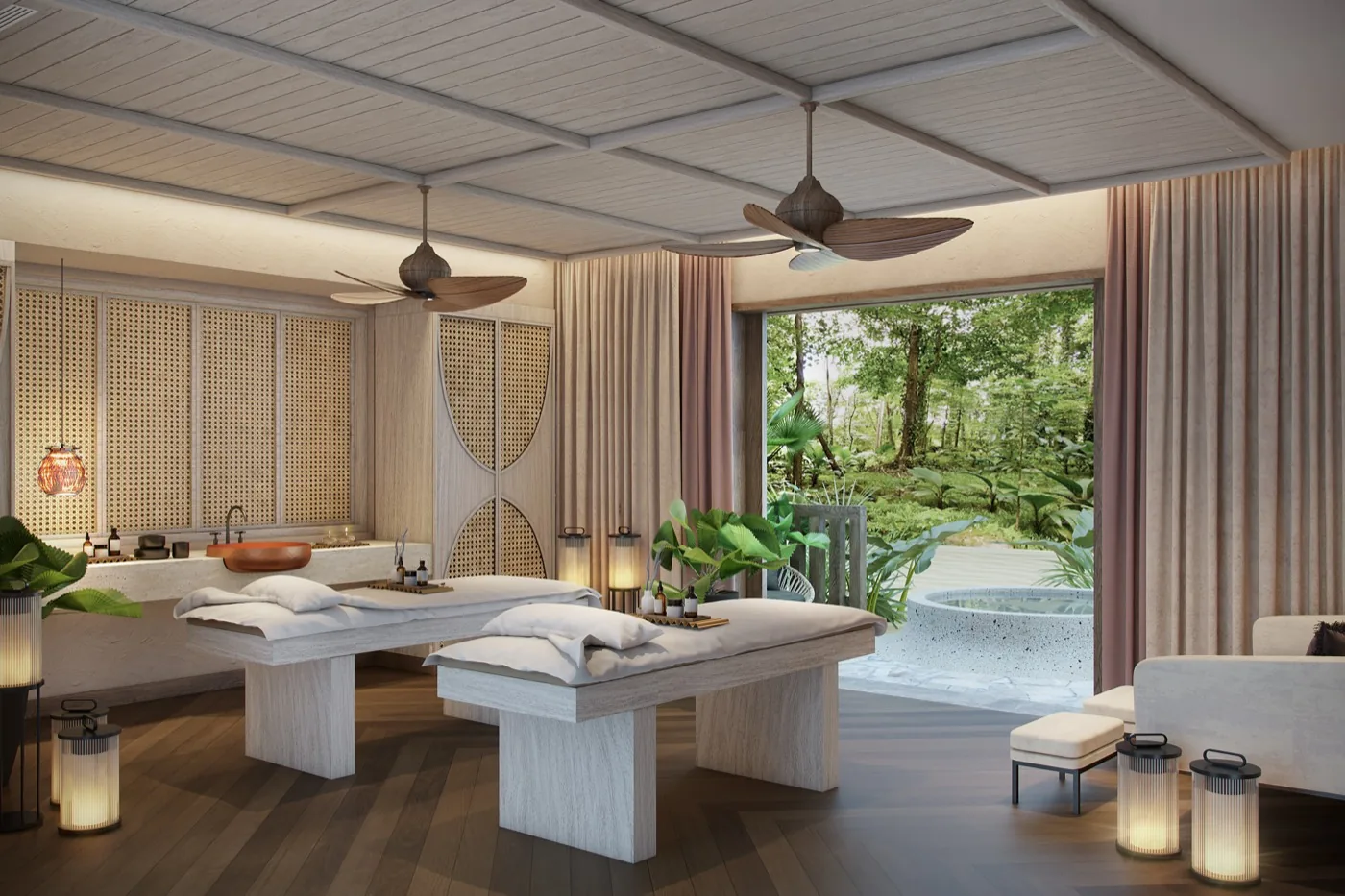
The spa, set against the mangrove behind the resort. Island materials, island tempo, and a treatment menu drawn from what grows here.
Bounty Seekers
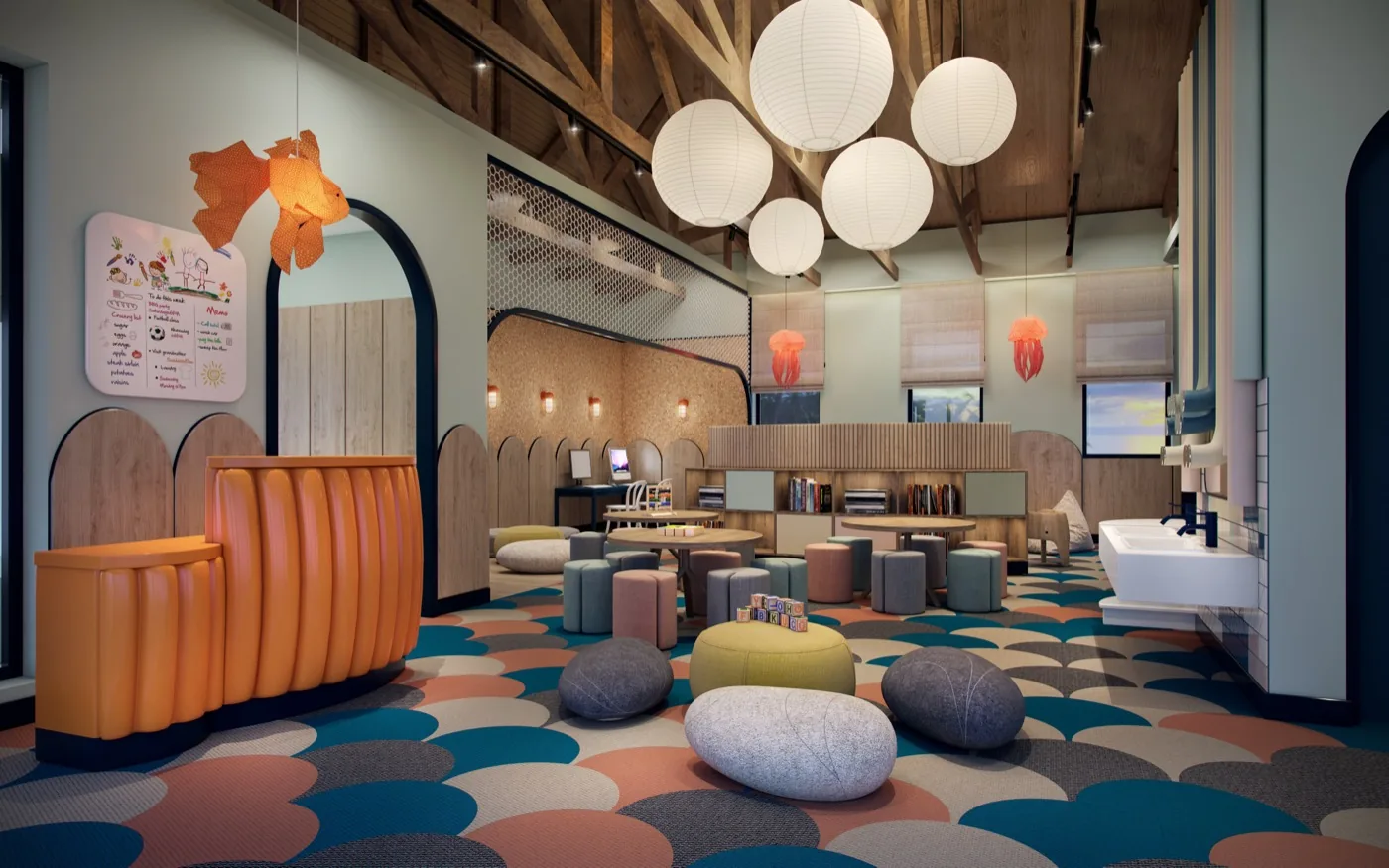
One club, two moods. A treasure hunt for children by day, and something with its own door for teenagers who would rather not be called children.
Community Connections
A programme that puts guests to work alongside the neighbourhood rather than looking at it through glass.
Local Discovery
Guided walks out of the resort and into the island, led by the people who live there.
Underneath it sits a set of commitments to the place itself. The wetland behind the beach replanted with indigenous species in place of what had crept in, the shoreline landscaped to hold its line against a rising sea, and energy and waste treated as design problems rather than line items.
Inside the bay
Strategy
- Brand positioning
- Category and competitive read
- Travel and audience trends
- Guest profiles
Story and language
- Positioning statement
- Brand principles
- Brand personality and belief
- Venue naming
Guest world
- Restaurant and bar concepts
- Spa concept
- Kids and teens club
- Sustainability commitments
An internal document
A positioning is written for the people who build the hotel, not for the people who stay in it. What it settles, we can show. What it says, we can't. The statement itself, the guest profiles, the read on the market and the principles behind all of it stay with the client.
Settle where a brand stands, and everyone who comes after you builds the same hotel.